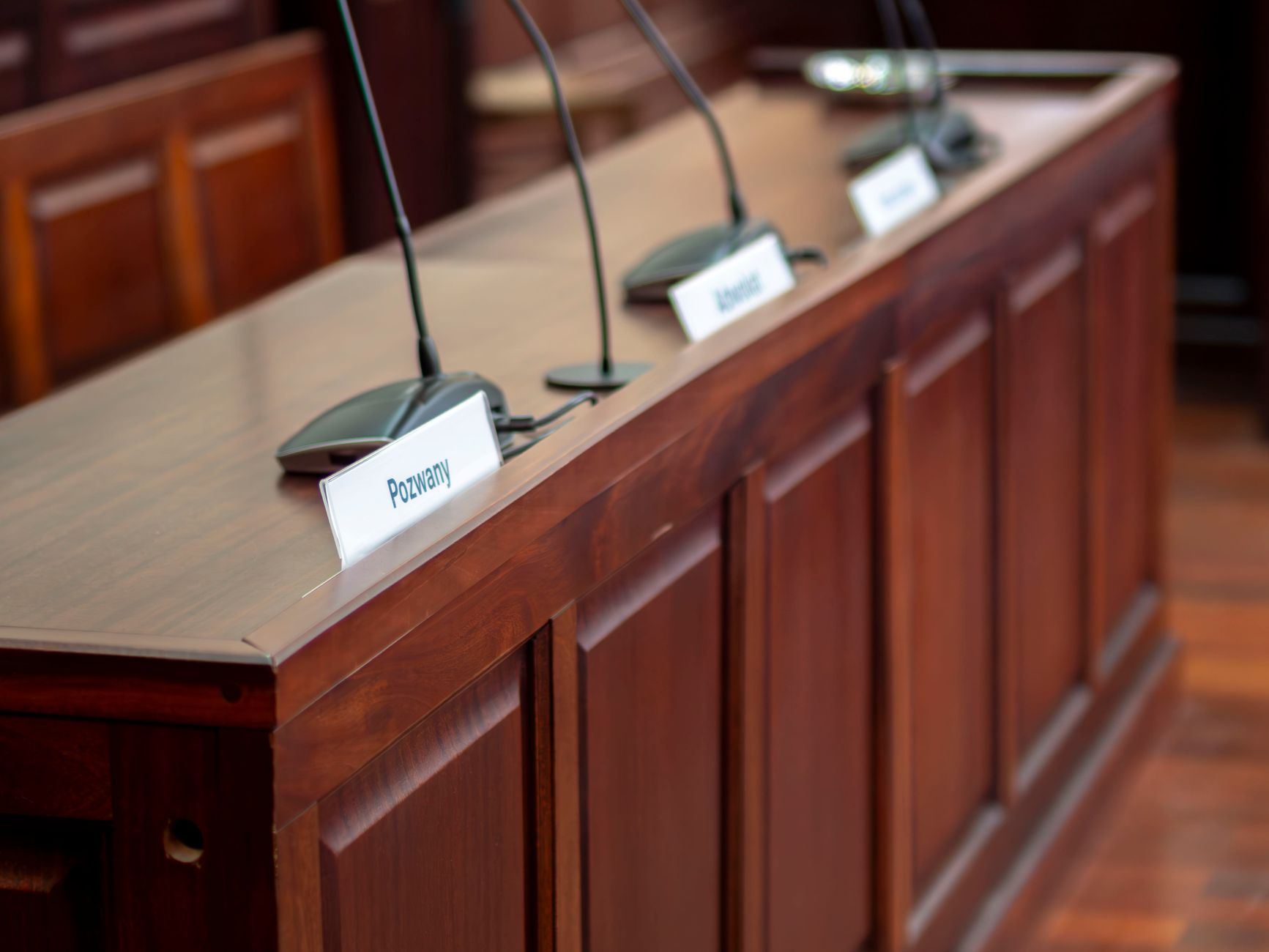
Texas has sued OpenAI and its chief executive, Sam Altman, alleging that the company misled consumers about ChatGPT’s safety and failed to sufficiently protect users, including children. The state is seeking financial penalties and court orders that would substantially restrict how the chatbot operates in Texas.
The consumer protection lawsuit seeks civil penalties of up to $10,000 per violation under the state’s deceptive trade practices laws. Texas Attorney General Ken Paxton is also asking a court to require OpenAI to block minors from accessing ChatGPT and subject new models to independent scrutiny before release.
The allegations have not been established by a court. OpenAI disputes the state’s claims and says it works with experts to strengthen the chatbot’s safeguards, reduce risks and improve its products.
At the center of the case is an alleged gap between OpenAI’s public statements about safety and the protections ChatGPT actually provides. Texas contends that the company did not adequately disclose risks associated with the service and failed to prevent potentially harmful interactions involving vulnerable people and minors.
The state’s requested injunction would extend beyond changes to marketing. It seeks restrictions on ChatGPT providing information related to suicide, eating disorders and methods of committing violence. Texas also wants a court-appointed expert to conduct third-party reviews of new OpenAI models before they become available.
Separately, the lawsuit alleges that OpenAI’s identity-verification practices are inadequate and violate applicable state law. Identity verification and age assurance are related but distinct issues: establishing who a user is does not necessarily involve the same checks as determining whether that person is old enough to use a service. The state is challenging the adequacy of OpenAI’s controls while seeking a prohibition on access by minors.
Texas is also seeking to hold Altman personally liable for the alleged deceptive practices, rather than directing its claims solely at the company. Whether the state can establish liability against either defendant, and what remedies would be appropriate, remain questions for the court.
OpenAI’s response emphasizes both its existing safety work and the role of government in establishing rules for artificial intelligence. The company says AI safety policies should apply across the industry rather than target a single developer.
The dispute places consumer protection law at the center of a broader debate over chatbot safety. Generative AI systems produce responses to open-ended prompts, making their behavior different from services that display a fixed set of materials. Safeguards can include model training, automated checks and access controls, but the existence of those measures is separate from the legal question of whether a company’s safety representations are misleading.
Texas has previously pursued major technology companies over consumer protection and privacy concerns. In July 2024, Meta agreed to a $1.4 billion settlement with the state over allegations involving facial-recognition technology and users’ consent. The OpenAI lawsuit seeks a different set of remedies: alongside monetary penalties, Texas wants continuing oversight of future models and limits on who can use ChatGPT and what information it can provide.
Sources: The 420.in