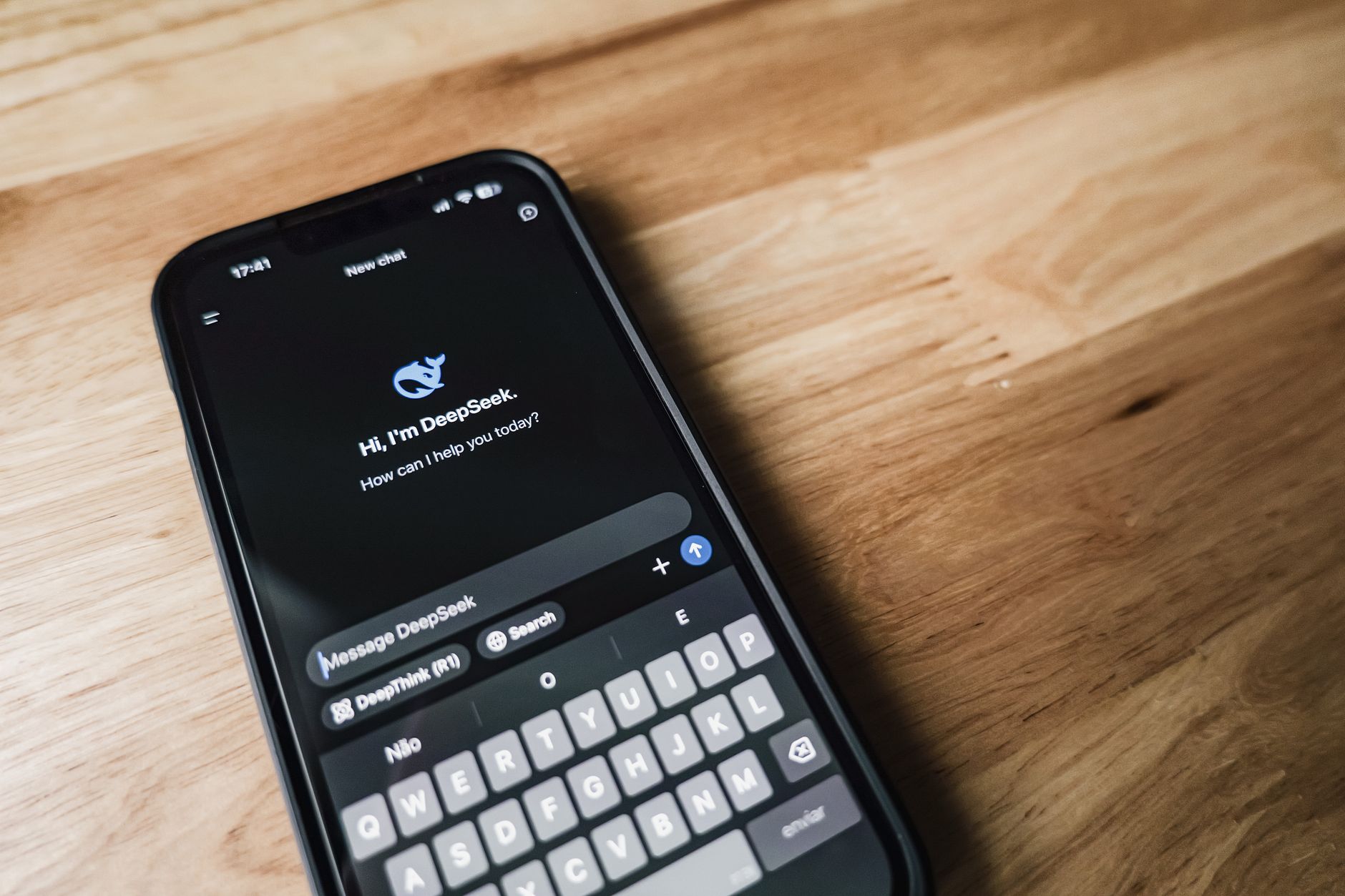
The Department of Homeland Security has ordered federal civilian agencies to remove DeepSeek technology from their information systems, extending restrictions on the Chinese artificial intelligence developer across much of the U.S. government. The directive covers both DeepSeek products and third-party services that use the company’s AI models.
The notice, published on October 19, also excludes DeepSeek from federal government contracts. Together, the removal requirement and procurement restriction address technology already deployed in agency systems as well as future purchases involving the company.
The administration cited cybersecurity and data-security concerns in explaining the action. In a July note made public alongside the notice on Monday, Homeland Security Secretary Markwayne Mullin warned that DeepSeek’s account-registration process collects personally identifiable information and could be used to track users or identify them through digital fingerprinting.
Mullin also raised concerns that sensitive information collected by DeepSeek could be transferred to the Chinese government and that its models could contain malware. Those statements describe the government’s risk assessment; they do not establish that a particular federal agency suffered a data transfer or malware infection.
The inclusion of third-party services makes the directive broader than a prohibition on using DeepSeek’s own chatbot or other directly branded products. AI models can be incorporated into software sold by another supplier, leaving the underlying model developer less visible to the customer. The order therefore reaches services that rely on DeepSeek even when agencies obtain them through a different vendor.
The civilian-government action follows earlier restrictions in individual parts of the federal government. The Navy and the Department of Commerce previously instructed personnel not to use DeepSeek models. The new directive establishes a wider requirement for civilian agencies to remove the technology rather than leaving restrictions solely to individual departments.
DeepSeek drew international attention with the release of its R1 model in early 2025, which intensified scrutiny of the cost and capabilities of Chinese AI systems. Its emergence also sharpened questions in Washington about how government employees should use foreign-developed AI tools and what information those tools might collect.
The removal order comes amid a separate dispute over model distillation, a training technique that uses one model’s outputs to help develop another. U.S. AI companies have accused Chinese competitors, including DeepSeek, of using their services in ways that violate platform rules. Distillation itself is an established technique; the allegations concern how access and outputs were obtained and used.
Last month, the National Security Agency, the Cybersecurity and Infrastructure Security Agency and the FBI named DeepSeek in a joint warning about alleged Chinese distillation campaigns. The DHS action now adds a government-wide civilian systems restriction and a federal procurement exclusion to the measures directed at the company.
Sources: POLITICO – Tech (US), Gizmodo, 아시아경제, TOKENPOST