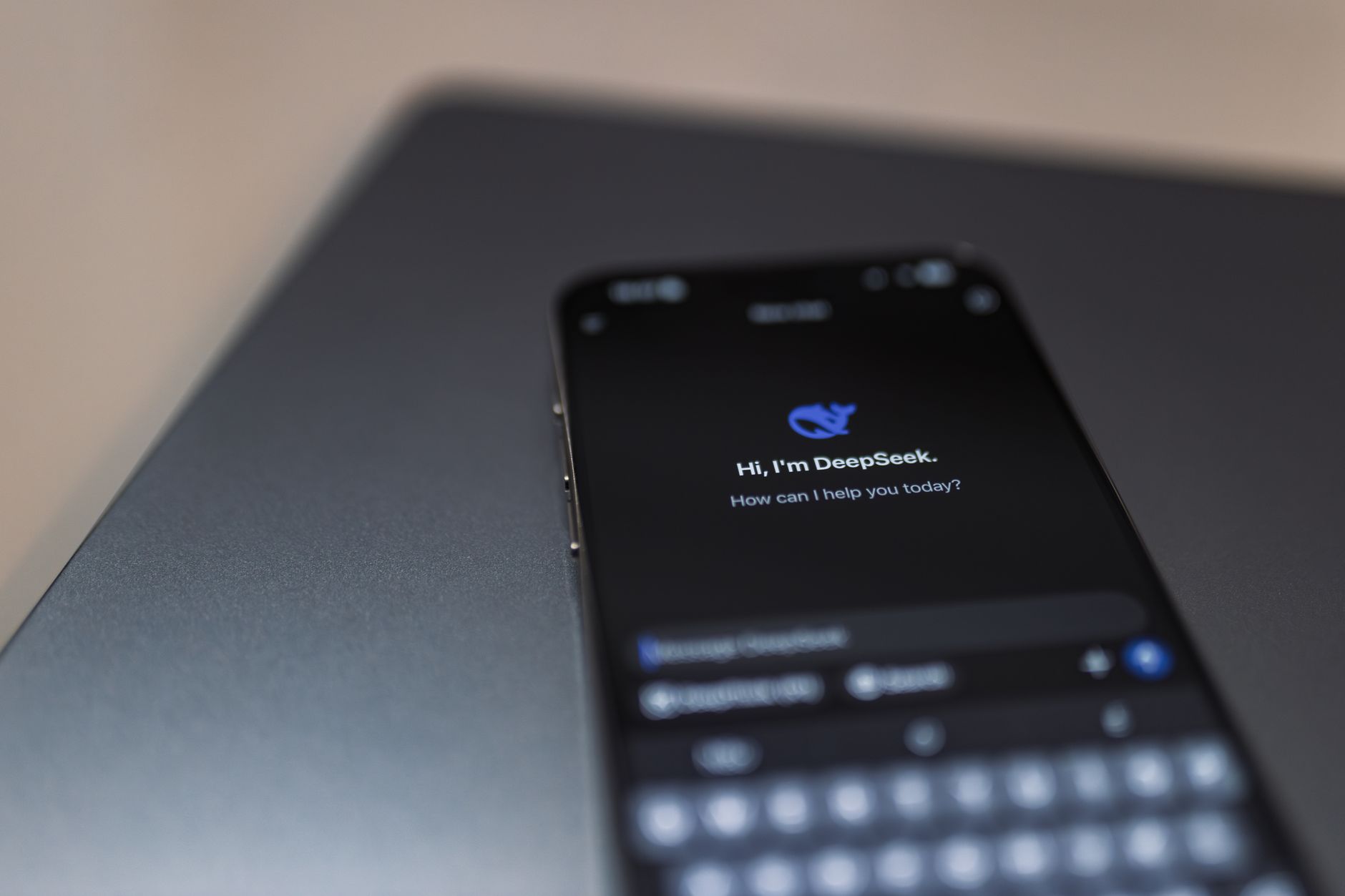
DeepSeek plans to use Huawei’s Ascend AI processors to pre-train its next-generation V5 model, STAR Market Daily reported, citing multiple industry sources. The reported move would extend the companies’ work beyond running existing models and adapting them after their initial training, putting Huawei’s hardware to a more demanding test.
The plan has not been independently confirmed. The report does not establish that a V5 pre-training run has begun or that DeepSeek has completed one on Ascend hardware. Those distinctions matter: supporting a released model is a different technical achievement from building its capabilities through large-scale initial training.
DeepSeek and Huawei have already worked together on model deployment. Around the Chinese New Year in early 2025, Huawei reportedly deployed more than 3,000 Ascend chips to support DeepSeek V3 and R1 on Huawei Cloud. After DeepSeek released V4 in April 2026, Huawei announced that joint hardware and software optimisation enabled its Ascend SuperPoD systems to support the V4 model family.
The collaboration has also reached the software infrastructure needed to operate large accelerator clusters. On September 30, DeepSeek open-sourced components adapted for the Ascend platform, including compiler tools, high-performance computing libraries and distributed communication software. These components address different parts of the computing stack, from translating model operations into executable instructions to coordinating work across processors.
That infrastructure is particularly important for training. Large language models are typically trained across many accelerators, with model calculations and data distributed among them. The processors must exchange information repeatedly, making communication performance, memory management and software reliability important alongside the computing capacity of individual chips. A bottleneck in one part of the system can leave other resources underused.
There has already been a separate training-related demonstration on Huawei hardware. A Shenzhen research consortium recently completed full-parameter post-training of DeepSeek V4-Pro, a 1.6-trillion-parameter model, using an Ascend 910C cluster. Full-parameter post-training updates the model’s weights, but it starts with a model that has already undergone its foundational training. It therefore does not establish that the same hardware and software setup can complete pre-training from scratch.
Pre-training is the stage in which a model develops its underlying capabilities by learning patterns from large amounts of data. Inference, by contrast, uses a trained model to produce outputs. Post-training further adapts an existing model’s behaviour or capabilities. Although all three can require substantial computing resources, successful inference deployment or post-training does not by itself demonstrate readiness for a sustained, large-scale pre-training run.
If carried out successfully, the reported V5 plan would provide evidence that Huawei’s accelerators can support a broader share of frontier model development, potentially reducing DeepSeek’s reliance on Nvidia hardware. For now, the unresolved questions concern execution: whether the cluster can maintain stable training, how effectively the software uses the hardware, and what capabilities the resulting model achieves. The available report supplies no confirmed training schedule or completed V5 results.
Sources: Geopolitechs